What UK Facility Managers Need to Know
June 4, 2026
Heat Pumps & Hybrid HVAC Systems in Industrial Settings
June 25, 2026
In recent years, the conversation around industrial cooling has shifted. It’s no longer just about achieving the right temperature, it’s about how efficiently, sustainably, and cost-effectively that cooling is delivered.
Rising energy costs, increasing environmental regulation, and growing scrutiny of carbon emissions all combine to lead businesses to reassess traditional cooling methods. And industrial adiabatic cooling is emerging as a compelling alternative to conventional refrigerant-based air conditioning systems.
So, is it the right solution for your business premises?
Rethinking Conventional Cooling
Traditional air conditioning systems rely heavily on refrigerants and energy-intensive compressors to achieve precise temperature control. While effective, these systems come with several negatives:
- High energy consumption due to continuous compressor operationHigh energy consumption due to continuous compressor operation
- Environmental impact from refrigerants, many of which have high global warming potential (GWP)
- Ongoing maintenance and replacement costs for refrigerant gases and system components
- Significant capital investment, particularly for large-scale industrial applications
As sustainability targets tighten and operating costs rise, these factors are becoming increasingly difficult to justify.
Adiabatic cooling offers a fundamentally different approach. Instead of relying on refrigerants and compression cycles, it uses the natural process of evaporation to reduce air temperature.
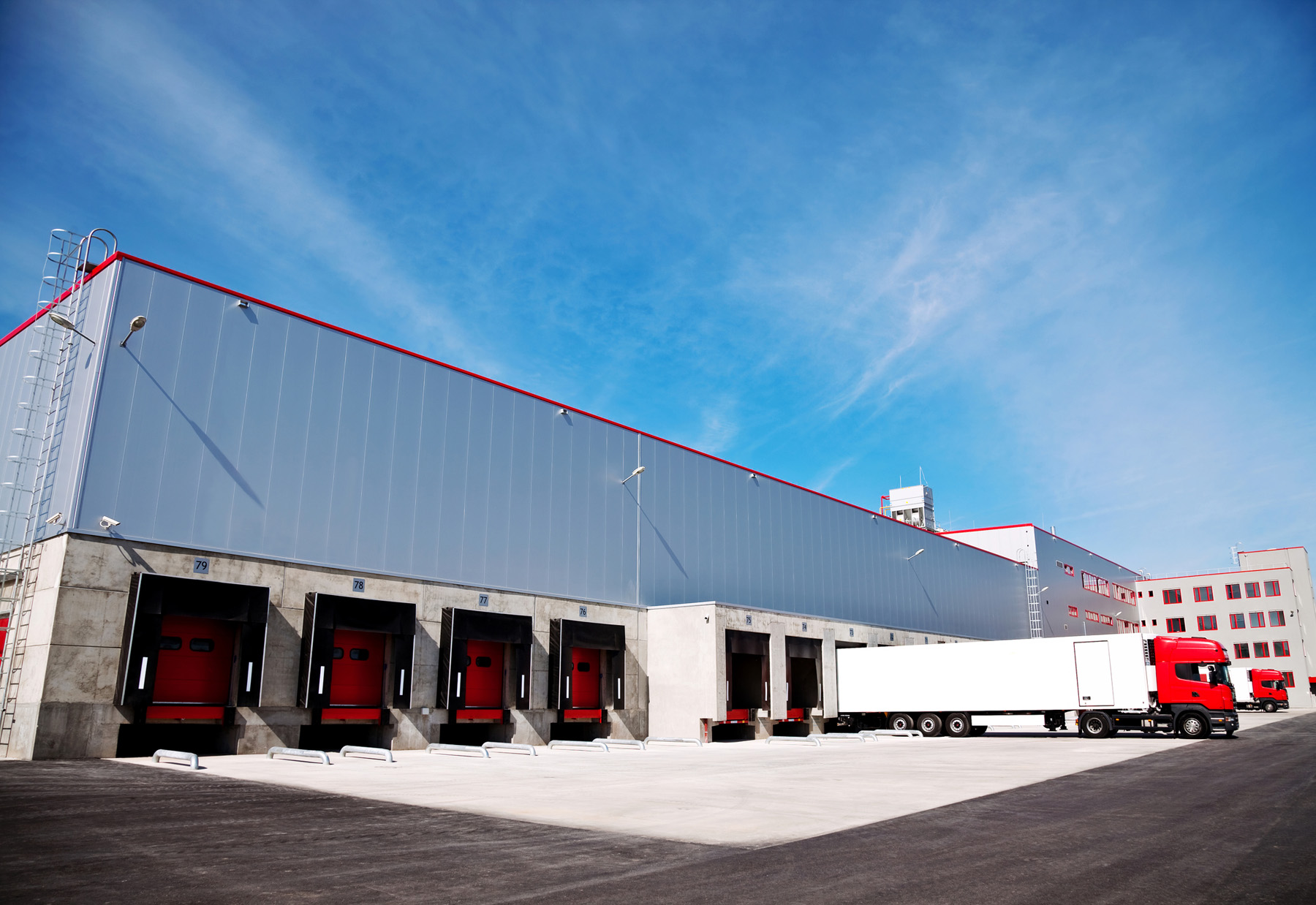
The result is a simpler, more environmentally responsible cooling method, particularly suited to large, open industrial spaces including warehouses and distribution centres.
Advantages of Adiabatic Cooling
One of the most compelling benefits of adiabatic cooling is its dramatically lower energy consumption.
Because there are no compressors involved, energy use is largely limited to fans and water circulation. This can deliver:
- Substantial reductions in electricity usage
- Lower peak demand on electrical infrastructure
- Reduced operational costs year on year
In addition, compared to traditional air conditioning systems, adiabatic cooling typically requires:
- Less complex equipment
- No large-scale refrigeration plant
- Simpler installation infrastructure
This means reduced initial capital outlay, making it an attractive option for your business when looking to upgrade or expand your industrial cooling and temperature control systems.
In the face of escalating energy prices, this represents an immediate and long-term financial advantage.
Is Adiabatic Cooling Eco Friendly?
Adiabatic systems eliminate the need for refrigerants entirely.
This means:
- No risk of refrigerant leaks
- No high GWP gases contributing to climate change
- Reduced environmental compliance requirements
As an added bonus, the lower energy demand contributes directly to reduced carbon emissions, supporting your industrial decarbonisation goals.
If you’re committed to reducing your environmental footprint, adiabatic cooling can help achieve:
- Net zero strategies
- Energy reduction targets
- ESG commitments
By lowering both energy consumption and reliance on harmful substances, it offers a practical, immediate step toward more sustainable operations.
Is Adiabatic Cooling Better Than Air Conditioning?
Without the need for compressors or refrigerant circuits, we can reduce the system complexity you need. This leads to:
- Fewer mechanical failure points
- Reduced servicing requirements
- Lower lifetime maintenance costs
For facilities teams, this means less downtime and greater reliability.
In addition, we offer ongoing service and maintenance support throughout the lifespan of your system.
While modern refrigerant-based systems still provide superior precision for tightly controlled environments (cleanrooms, data centres, etc.), many industrial applications simply don’t require that level of control.
Adiabatic cooling delivers:
- Effective temperature reduction during peak heat
- Continuous fresh air circulation
- Improved indoor air quality
Combined with well-designed ventilation, it creates a healthier and more comfortable working environment for your team.
Adiabatic cooling is particularly effective in:
In these environments, precise temperature control is often less critical than maintaining comfortable and safe working conditions, an area where adiabatic systems excel.
Is It Right for Your Business?
Adiabatic cooling is not a one-size-fits-all solution, but for many industrial and commercial environments, it represents a clear improvement over conventional cooling methods.
At Inergy Group, we tailor our approach to every project. By understanding your facility, operational needs, and long-term goals, we can help you determine whether adiabatic cooling is the most efficient and cost-effective option for you.
- Consider phased installation to minimise downtime.
- Integrate VRF with smart controls for optimal performance.
- Ideal for facilities expecting expansion or tenant changes.
Take the Next Step
If you’re looking to:
- Reduce energy costs
- Lower capital investment
- Improve sustainability
- Future-proof your cooling strategy
Adiabatic cooling could be the answer.
Contact Inergy Group today to explore the best solution for your business.