VRF & Modular HVAC Systems for Scalable Industrial and Commercial Spaces
August 25, 2026
For facility managers, keeping a building operating efficiently means balancing competing priorities. Equipment needs to remain reliable, operating costs must be controlled, and the indoor environment needs to support the people working within it.
Heating, ventilation and air conditioning (HVAC) systems play an important role in achieving these objectives. Yet maintenance can sometimes become reactive, with attention focused on equipment only when something goes wrong.
A planned approach can help change that.
Rather than viewing HVAC maintenance as an unavoidable expense, at Inergy Group we recommend that it’s an important part of protecting building performance, managing operational risk and making better use of available budgets.
The True Cost of Reactive Maintenance
When an HVAC system develops a fault, the immediate repair cost is only one part of the problem.
A system failure can affect working conditions, disrupt business activities and place additional pressure on facilities teams. In industrial environments, inadequate temperature control or ventilation can also affect production conditions and equipment performance.
Reactive maintenance can make these situations harder to manage. Without a clear understanding of equipment condition and service history, it can be difficult to anticipate problems or plan expenditure effectively.
A planned maintenance programme provides greater visibility of system condition and helps identify issues that warrant attention before they develop into more disruptive failures.
What Should an Effective HVAC Maintenance Plan Include?
Every building has different requirements, so maintenance should reflect the equipment installed, the environment in which it operates and the demands placed upon it.
Key considerations include:
-
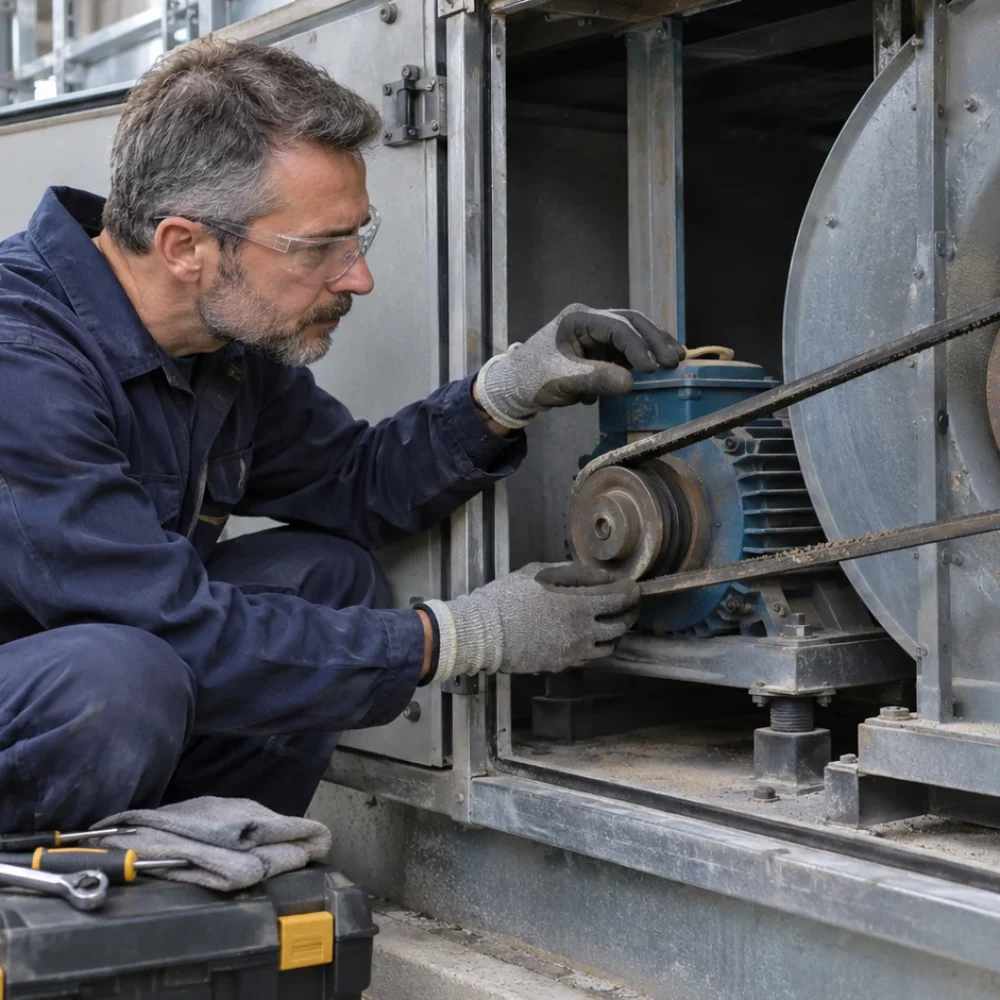
Equipment inspections:
Checking relevant components for wear, damage, deterioration and signs of abnormal operation. -
Filter management:
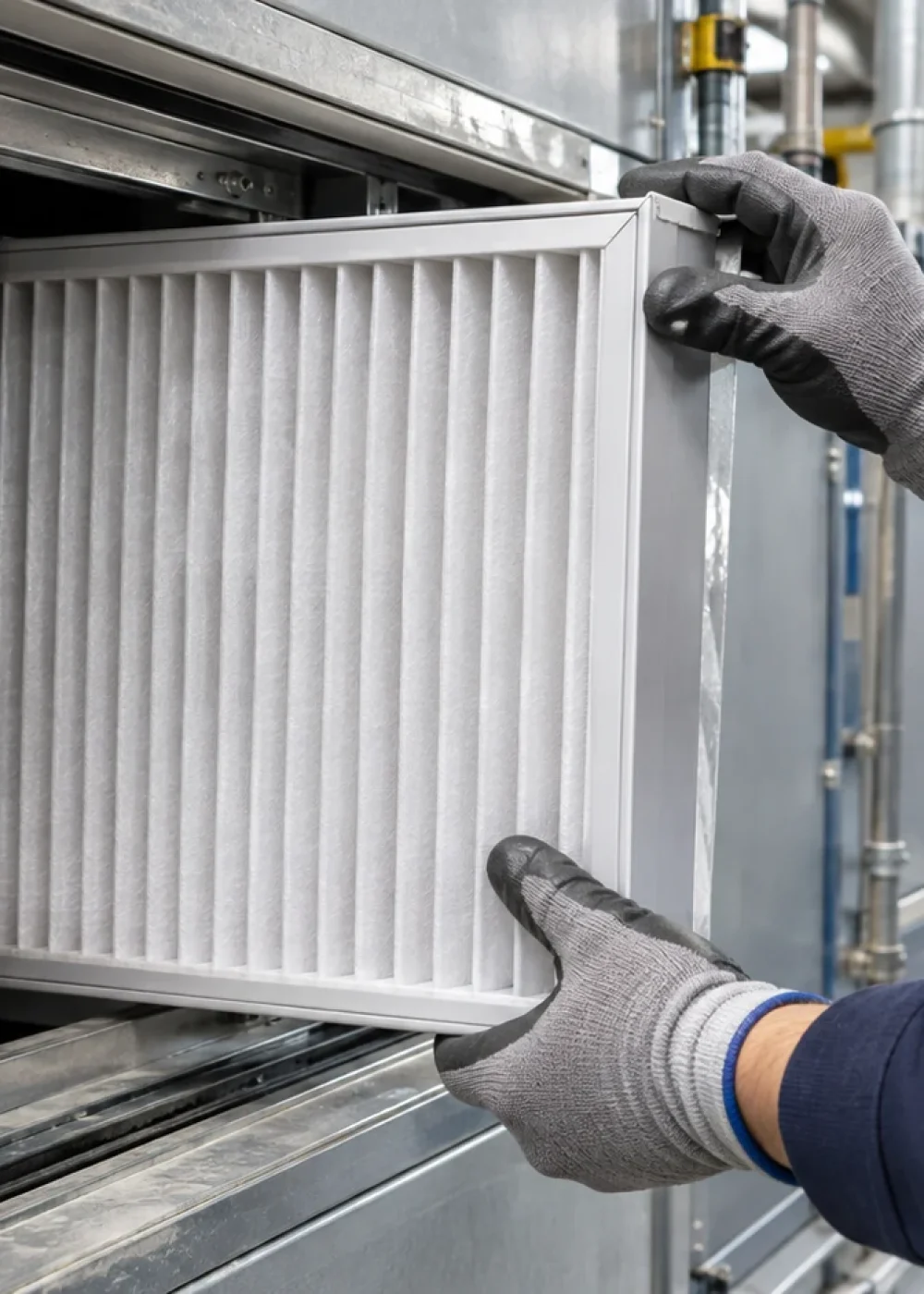
Inspecting and replacing filters in accordance with manufacturer recommendations and the requirements of the system. -
Airflow and ventilation performance:
Checking that air movement and ventilation arrangements continue to meet the intended requirements of the space. -
Controls and settings:
Reviewing relevant controls, sensors and operating schedules to identify issues that may affect performance or energy use. -
System cleanliness:
Assessing whether cleaning is required to maintain appropriate equipment condition and airflow. -
Maintenance records:
Documenting inspections, defects, remedial work and recommendations to support future decisions.
The appropriate scope and frequency will depend on the system, its operating conditions and any applicable maintenance or inspection requirements.
Make Maintenance Part of Your Wider Energy Strategy
An HVAC system that is poorly maintained or operating incorrectly may consume more energy than necessary.
Blocked filters, incorrect control settings, poorly maintained components or inappropriate operating schedules can all contribute to inefficient performance, depending on the system.
Maintenance should therefore sit alongside energy monitoring and regular reviews of how the building is used.
If energy consumption increases unexpectedly, for example, facilities teams can investigate whether changes in operating hours, occupancy, equipment condition or control settings may be contributing factors.
It is important to distinguish between maintenance issues and underlying design limitations. Servicing alone will not resolve every performance problem, particularly where a system is no longer suitable for the building.

Moving From Reactive Repairs to Planned Maintenance
A practical starting point is to establish a clear picture of your existing HVAC estate.
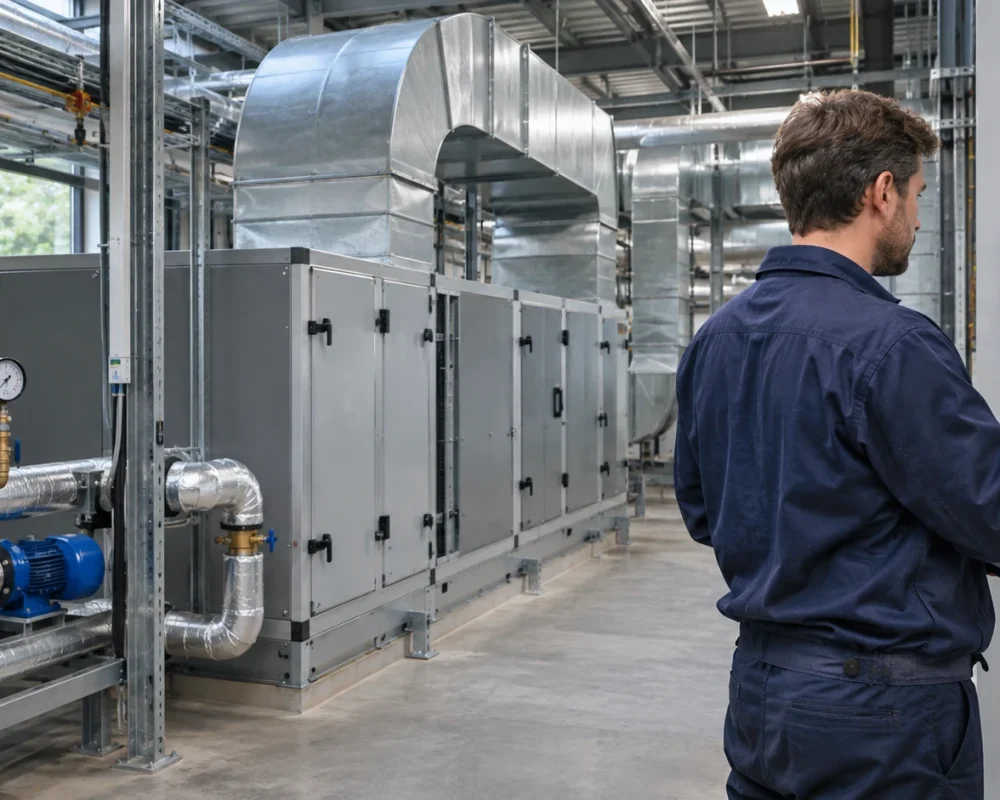
Identify the systems serving each area, review available service records, establish the consequences of equipment failure and prioritise maintenance according to operational needs and risk.
This can help facilities teams plan work more effectively, identify recurring problems and build a more informed picture of future investment requirements.
It also creates a useful basis for discussions with specialist HVAC engineers about equipment condition, system performance and opportunities for improvement.
A More Proactive Approach to HVAC Performance
Effective HVAC maintenance is not simply about keeping equipment running. It is about understanding how systems support the building and ensuring they continue to perform as intended.
At Inergy Group, we recognise the importance of considering system performance, energy efficiency and operational requirements together.
Whether you are reviewing an existing maintenance programme or investigating recurring HVAC issues, taking a planned, engineering-led approach can help you make better-informed decisions about your building.