Heat Pumps & Hybrid HVAC Systems in Industrial Settings
June 25, 2026
Indoor Air Quality: Beyond Comfort in Industrial and Commercial Buildings
July 13, 2026
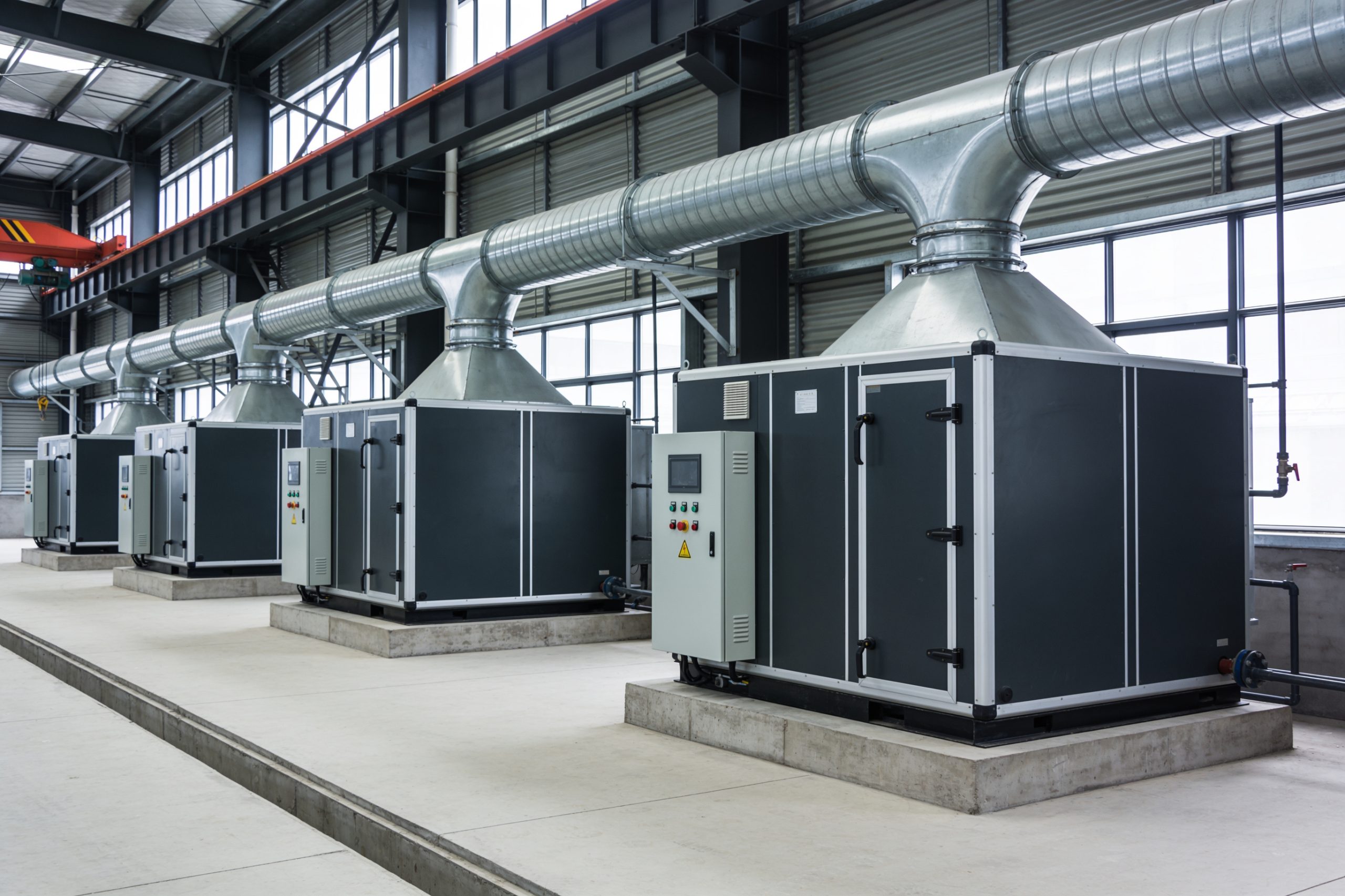
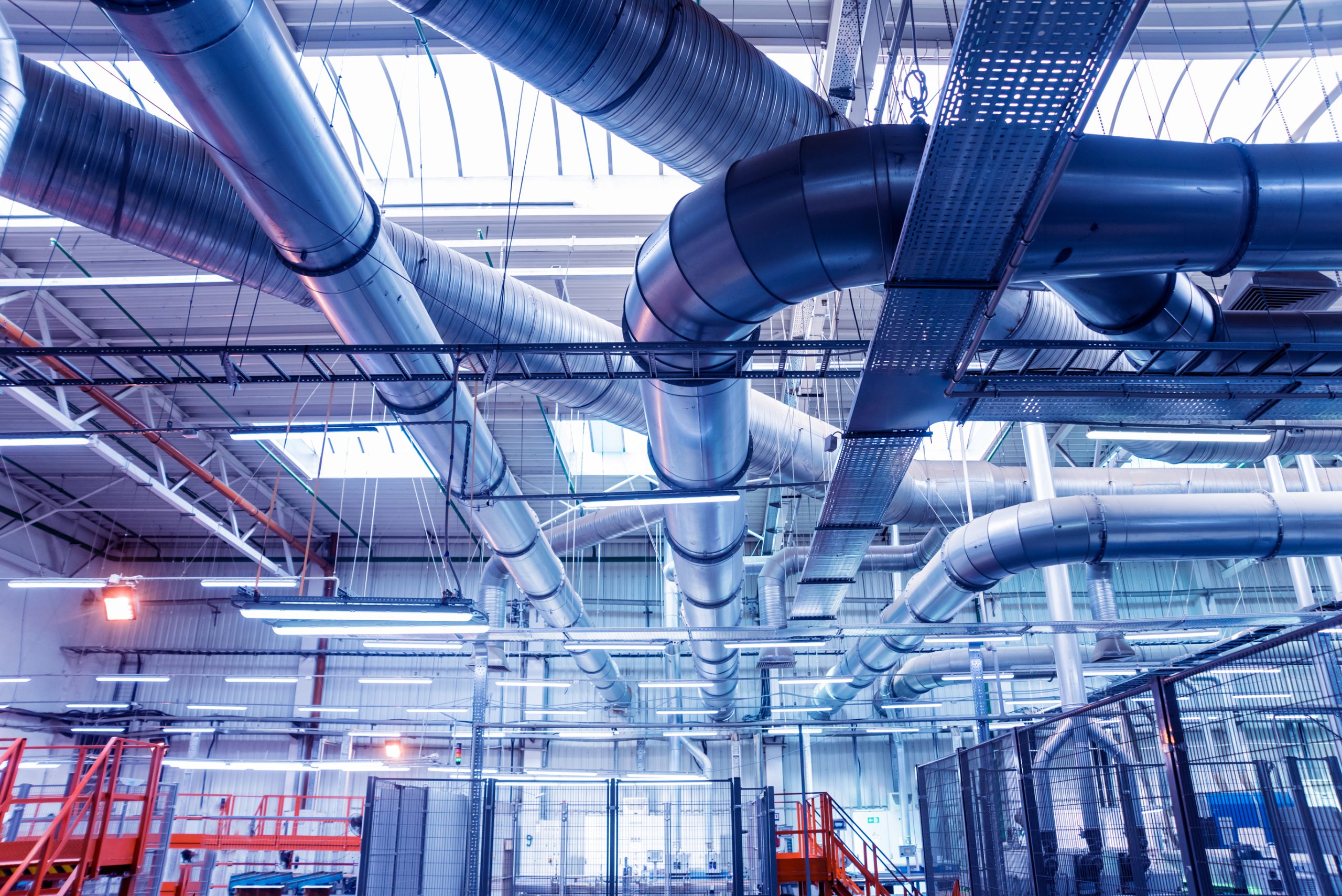
Industrial and commercial HVAC is evolving beyond traditional heating and cooling. In 2026, smart and predictive systems are becoming standard for facilities aiming to reduce energy costs, minimise downtime, and improve operational efficiency.
Internet of Things (IoT) sensors, AI-driven predictive maintenance, and cloud-connected building automation systems (BAS) allow facility managers to anticipate issues before they occur and optimise energy use in real time.
Ready to upgrade to a predictive HVAC system? Contact Inergy Group today for a free assessment.
Reduced Operational Costs
Smart HVAC adjusts energy use based on occupancy and load patterns.
Reduces unnecessary heating, cooling, and ventilation.
Minimised Downtime
Predictive maintenance identifies issues before they disrupt operations.
Alerts maintenance staff automatically, preventing costly interruptions.
Data-Driven Decisions
Real-time reporting supports energy management and ESG (Environmental, Social, Governance) initiatives.
Historical data enables better planning for future upgrades.
Integration with Building Automation Systems
Centralises control for HVAC, lighting, and energy metering.
Improves overall building efficiency and operational visibility.
To implement a smart or predictive HVAC system, facility managers should focus on:
Sensor Placement: Correctly positioned sensors ensure accurate monitoring.
Data Analytics: Choose systems that provide actionable insights, not just raw data.
Integration: Ensure compatibility with existing BAS and industrial controls.
Staff Training: Facility teams should understand dashboards, alerts, and maintenance schedules.
Don’t worry – if we’re working with you to design this system, we’ll help you select the appropriate system and advise on sensor positioning.
Ensure your smart system delivers results with a free site assessment.
Takeaway: Predictive HVAC systems not only save money—they enhance operational reliability and staff productivity.
Contact Inergy Group to learn how your facility can achieve similar results.
Smart and predictive HVAC systems are no longer optional – they’re becoming essential for industrial and commercial facilities in the UK. By leveraging IoT, AI, and building automation, facility managers can optimise energy use, prevent downtime, and meet ESG goals.