Why HVAC Maintenance Should Be Part of Your Facility Management Strategy
November 10, 2026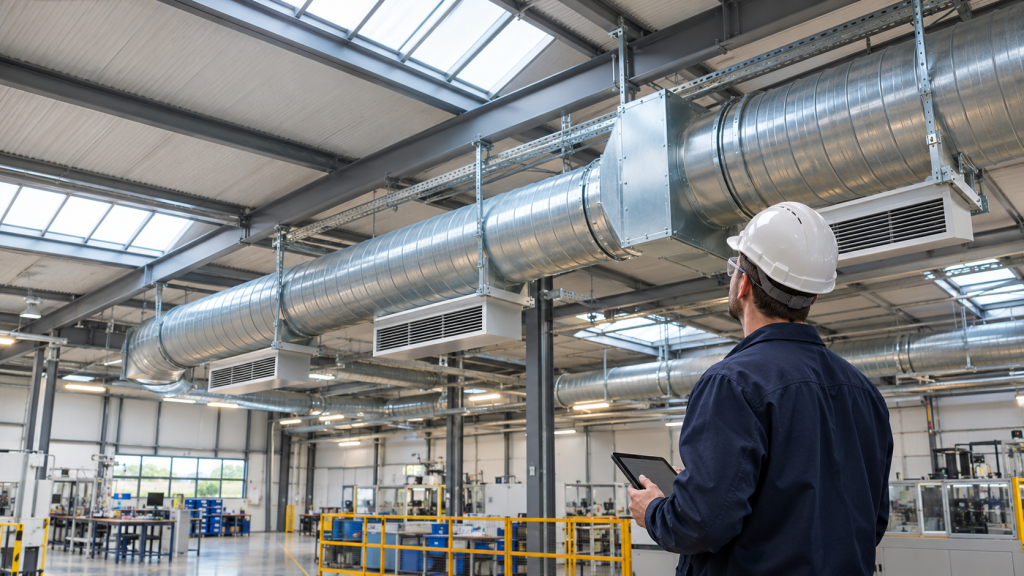
A ventilation system can appear to be working while still failing to deliver the performance a building requires.
Fans may be running, air may be moving and controls may show no obvious faults. Yet occupants might continue to report stale air, certain areas may remain uncomfortable, hot or cold, or conditions may vary considerably across the building.
For facilities and engineering managers, these symptoms raise an important question: is the system operating as intended, and is it still suitable for the way the building is used?
Understanding ventilation performance involves looking beyond whether equipment is switched on. It requires consideration of airflow, system condition, controls, building use and the needs of the people occupying the space.
Start By Understanding the Original Requirements
The first step is to establish what the ventilation system was designed to achieve.
Was it installed to provide general fresh air, remove heat, manage a particular contaminant or serve a specific process? Was it designed around a particular occupancy level or operating schedule?
These details matter because a system that was suitable when first installed may no longer meet the building’s requirements.
Changes to internal layouts, additional equipment, increased occupancy or altered production activities can all affect how ventilation performs.
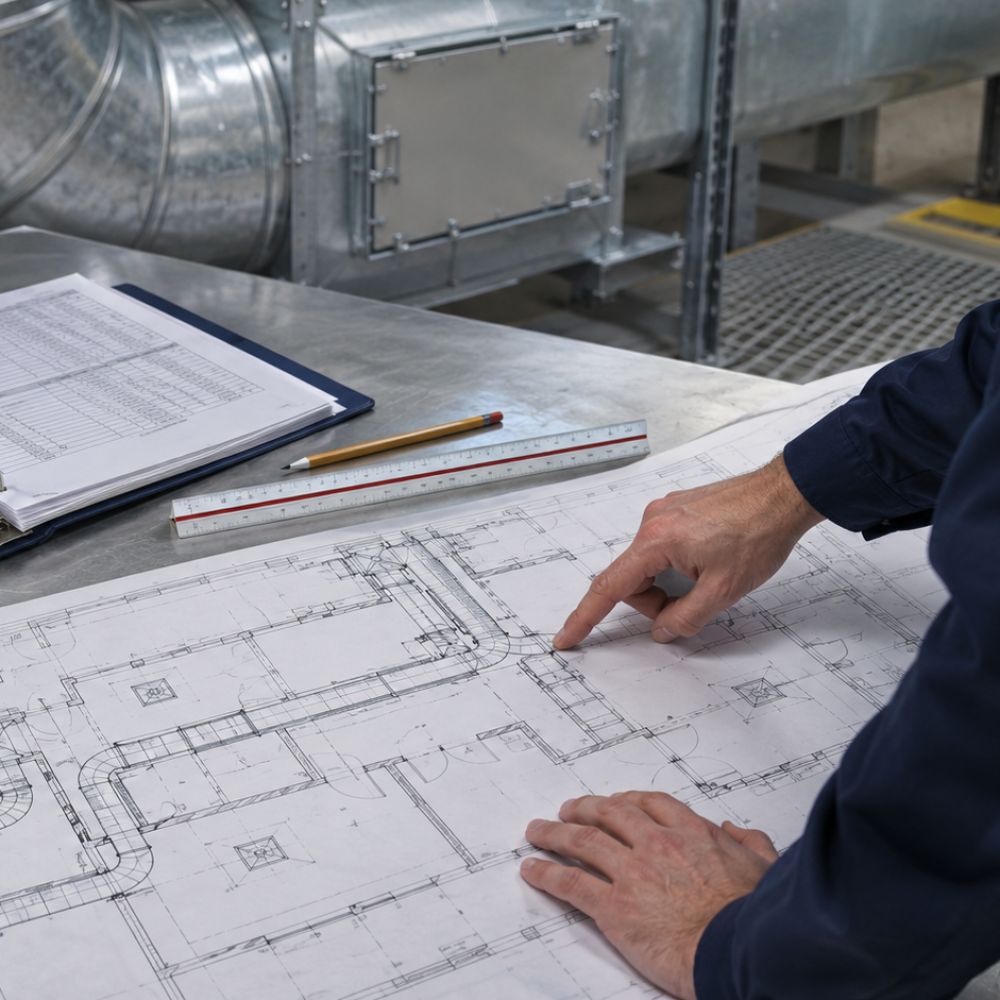
Where available, review original design information, commissioning records, operating instructions and previous maintenance reports. These documents can help establish the intended operating conditions and identify areas requiring further investigation.

Recognise the Signs That Warrant Investigation
Several observations may indicate that ventilation performance deserves closer attention.
-
Persistent complaints about air quality or comfort:
Repeated concerns about stuffiness, odours or inconsistent conditions should be investigated rather than dismissed as isolated incidents. -
Uneven conditions across the building:
If one area feels noticeably different from another, the cause may involve airflow distribution, heat loads, controls or other building factors. -
Changes in operating conditions:
New machinery, revised working patterns or alterations to room layouts may have changed the ventilation demand. -
Unexpected energy consumption:
A change in energy use may justify reviewing system operation, schedules and controls, although energy consumption alone cannot establish whether ventilation performance is adequate. -
Recurring maintenance issues:
Repeated faults or adjustments may indicate an underlying problem that needs a more comprehensive assessment.
None of these observations proves that a ventilation system is defective. They are useful starting points for a structured investigation.
Why Airflow Matters
Ventilation performance depends on more than the movement of air through a building.
The quantity of air supplied and removed, its distribution, the location of air inlets and outlets, and the way the space is occupied can all influence the result.
For systems intended to control specific contaminants, the assessment may also need to consider contaminant generation, capture effectiveness and the route by which air is extracted.
This is particularly important where local extraction is required. General ventilation should not automatically be assumed to provide adequate control of a contaminant generated at a particular process or workstation.
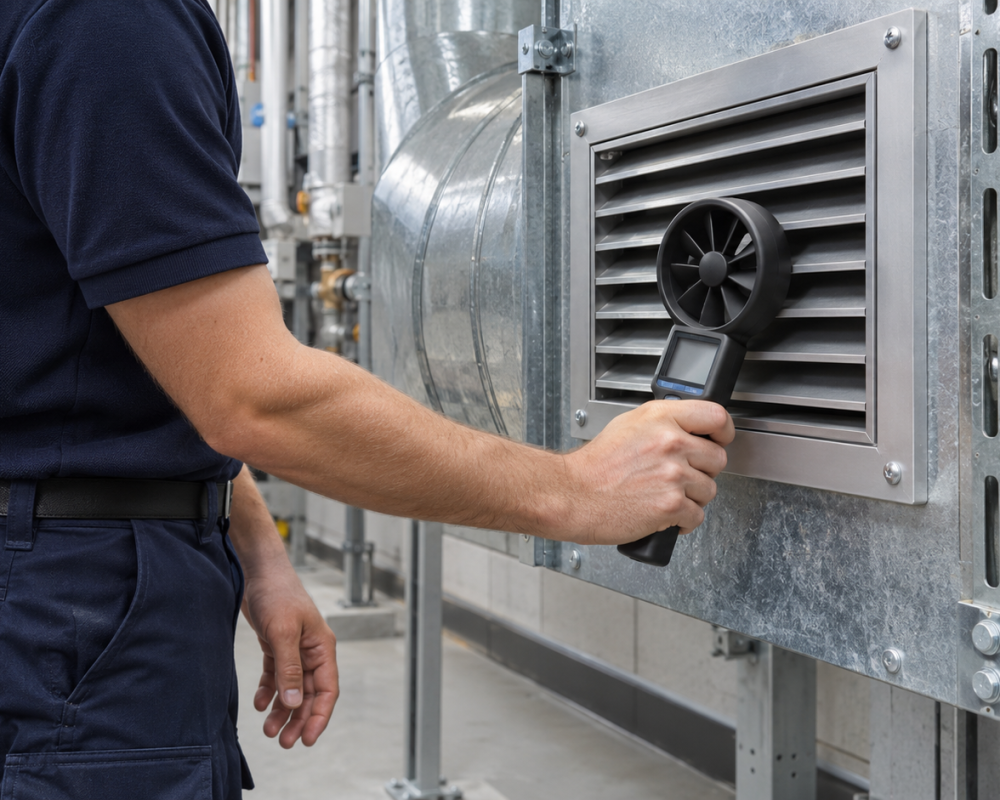
Depending on the application, a competent assessment may require airflow measurements, checks of system operation and controls, or a review of the original design assumptions.
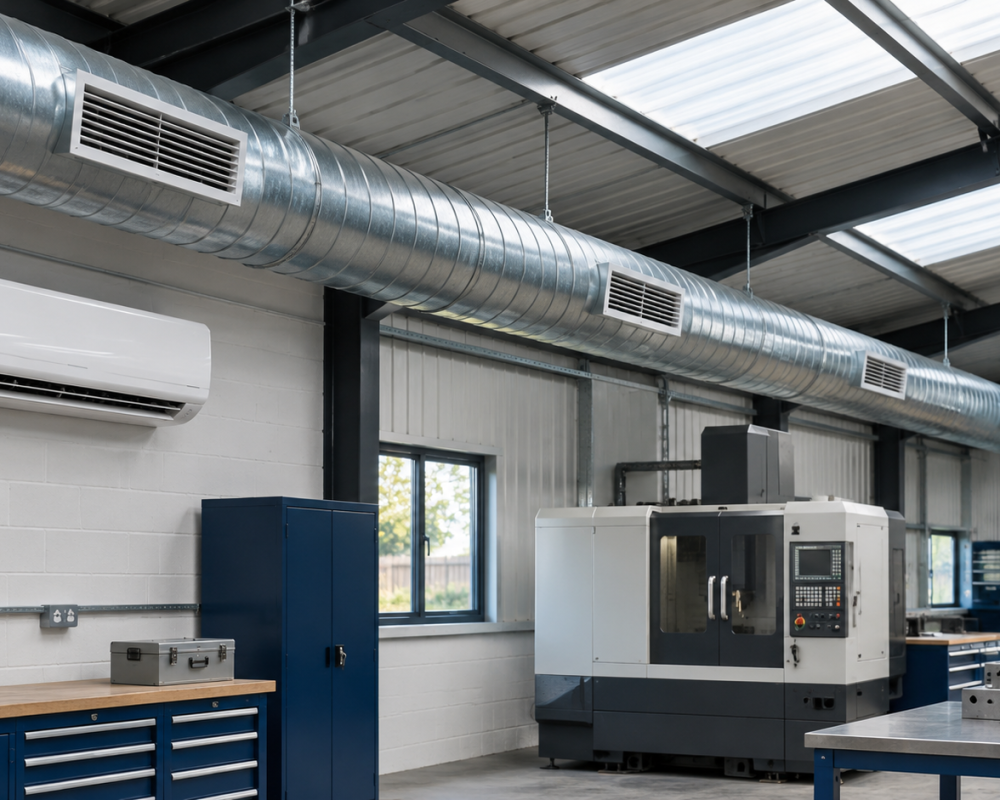
Consider the Relationship Between Ventilation and Cooling
Ventilation and cooling are often discussed together, but they perform different functions.
Ventilation provides and removes air to support indoor air quality and the intended environmental conditions. Cooling removes heat to manage temperature.
Introducing outside air may help manage heat under suitable conditions, but its effectiveness depends on outdoor temperature, humidity, internal heat gains and the design of the system.
Where heat loads are significant, ventilation alone may not provide the required temperature control.
A performance review should therefore consider whether the problem relates to air quality, temperature, airflow or a combination of factors.
When Should You Seek an Engineering Review?
A professional review may be appropriate when recurring problems remain unresolved, building use has changed, the system is approaching the limits of its intended application, or there is uncertainty about whether it meets current requirements.
The aim should be to understand the cause before selecting a solution.
Depending on the findings, the appropriate response could involve adjustments to controls, maintenance, changes to operating arrangements, modifications to the existing installation or a more substantial redesign.
Replacing equipment without understanding the underlying problem risks investing in a solution that does not address the real issue.


Make Informed Decisions About Ventilation Performance
For facilities teams, the most useful question is not simply whether the ventilation system is running. It is whether the system is delivering the performance required by the building today.
At Inergy Group, our engineering-led approach recognises the importance of understanding the application, the existing installation and the outcomes a customer needs to achieve.
If you are investigating recurring ventilation issues or reviewing the suitability of an existing system, a structured assessment can help establish the next steps.